
 0
0  Login
Login 
Types of Airbrushes: Things to Know When Buying Your First Airbrus
An airbrush is a precision tool that uses compressed air to apply a fine mist of paint onto a surface. It is ideal for creating smooth finishes, soft gradients, and detailed artwork that is difficult to achieve with traditional brushes.
Unlike conventional paint guns used for large surfaces, an airbrush is designed for precise and controlled painting.
Originally associated with automotive artwork, airbrushes have since become indispensable tools in a wide range of industries. Their ability to deliver precise, controlled paint application has made them popular among model makers, illustrators, body painting professionals, makeup artists, pastry decorators, and nail technicians alike.
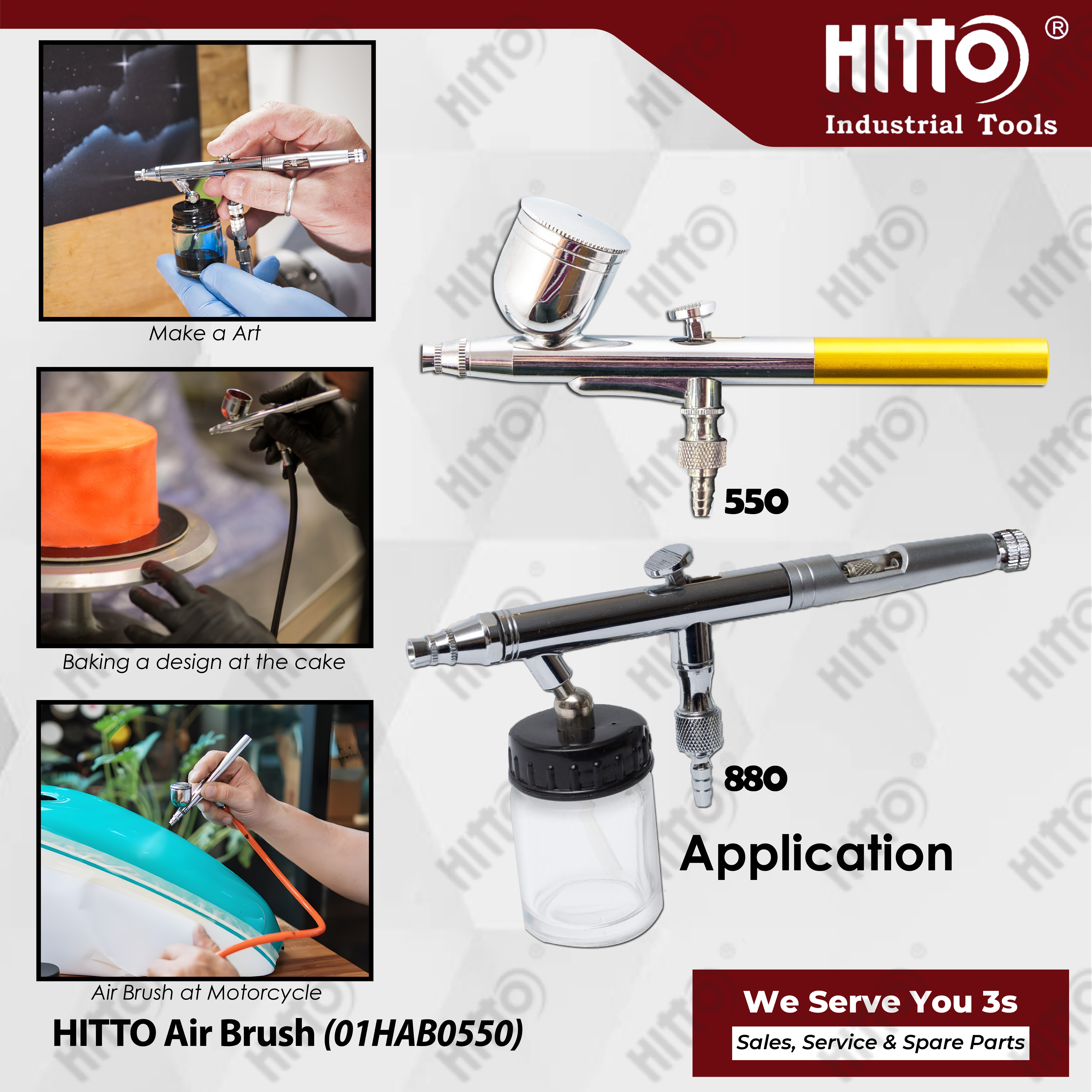
How Does an Airbrush Work?
An airbrush operates by directing compressed air through a narrow nozzle, where it creates a pressure difference that draws paint into the airflow. The paint is then atomized into a fine mist, allowing for precise control over spray pattern, paint flow, and layer thickness—essential for high-detail applications.
An airbrush has a simple design made up of a few important parts. The trigger controls the air, and in some airbrushes, it also controls how much paint is released. The needle helps control paint flow, while the nozzle turns the paint into a fine spray. Paint is held in a cup or bottle, depending on the airbrush type.
Unlike traditional paint guns used for large jobs, airbrushes are made for detailed and precise work. This makes them perfect for activities like model painting, illustration, and other creative projects where clean lines and smooth finishes are important.
Airbrush Control Types
One of the most important factors when choosing an airbrush is the type of control it offers. This refers mainly to how the trigger works and how it regulates the flow of air and paint. Depending on the control type, the level of precision and versatility of the airbrush can vary considerably, so understanding these differences is essential to making the right choice.
Below, we explain the three most common control types in airbrushes, along with their advantages, limitations, and recommended models you can find at SprayGunner.
Double Action Airbrushes
Double action airbrushes allow you to control air and paint independently, both through the same trigger mechanism.
- Pressing Down activates the airflow.
- Pulling Back regulates the amount of paint released.
This dual control gives you a much finer command over the spray, making it possible to create thin lines or smooth color gradients without having to stop and adjust settings.
They are ideal for detailed and professional work, such as miniature painting, technical illustration, advanced modeling, or body art. They do require some practice to master the finger movement on the trigger, but in return, they offer much more versatile and expressive results.
Many of these airbrushes are also available at SprayGunner as part of an airbrush kit that includes a compressor and accessories (perfect for those who want to start with everything they need from day one).
Pistol Grip & Trigger Airbrushes
These airbrushes feature an ergonomic pistol-style design, where the trigger is pulled with the index finger much like a conventional spray paint gun.
They are very comfortable for users coming from the automotive or industrial painting world, as the grip feels familiar and they allow you to cover medium to large surfaces more easily.
In addition to their ergonomic design, many models offer progressive paint control: the more you pull the trigger, the more paint is released. This creates a smooth and natural paint flow that feels intuitive during long painting sessions.
Recommended Models
Standout models in this category include:
These airbrushes are highly valued, making them an excellent choice for artists, modelers who work on dioramas, or those customizing helmets, fairings, and other automotive pieces.
Feed Systems: Gravity, Siphon, and Side Feed
In addition to control type, another important factor when choosing an airbrush is the feed system. This refers to how the paint enters the body of the airbrush to be atomized. While all feed systems serve the same purpose (delivering paint to the nozzle), each one has advantages and limitations that can make it more or less suitable depending on the type of project you are working on.
Below, we explain the three main feed types: gravity feed, siphon feed, and side feed.
Gravity Feed
In this type of airbrush, the paint is placed in a small cup located on top of the body. Thanks to gravity, the paint flows directly into the internal mixing chamber, allowing the airbrush to operate at lower air pressures and with reduced paint consumption.
This feed system is perfect for detailed work that requires high precision, such as scale modeling, miniature painting, body art makeup, or nail art. Although the cup usually has less capacity than other systems, it allows you to make the most of every drop of paint.
Siphon Feed
In this case, the airbrush uses a bottle or jar located underneath the body. As air passes through the airbrush, it creates a vacuum that siphons the paint up from the bottle into the nozzle. This system allows you to use larger containers of paint, making it ideal for projects that require extended spraying without frequent refills.
It’s a great option for painting larger surfaces such as dioramas, helmets, car bodies, or decorative work on large formats. It’s also practical when you need to switch colors quickly, since you can use multiple pre-filled bottles.
Side Feed
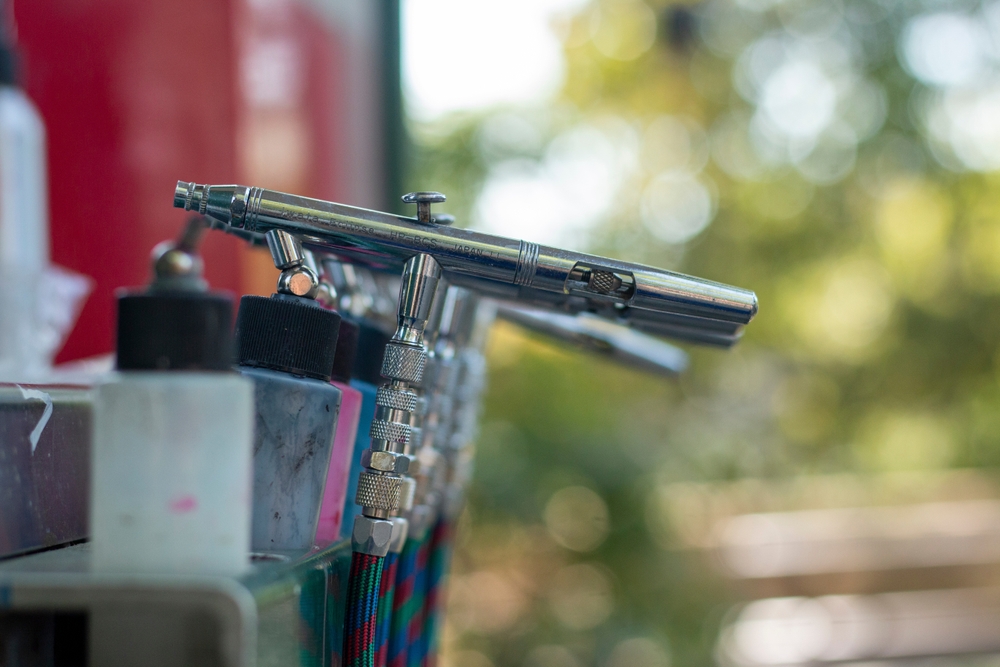
Side feed airbrushes are something of a hybrid between gravity and siphon systems. They use a cup or bottle attached to the side of the airbrush body, allowing flexibility in orientation and paint flow. Some models even allow the cup to rotate, which can be very useful for working at difficult angles or when you need a clear line of sight to the work surface.
Although less common than gravity or siphon systems, their main advantage is versatility. However, they tend to be more complex to clean, since the extra connections can trap paint or leak if not properly adjusted.
Internal vs. External Mix Airbrushes
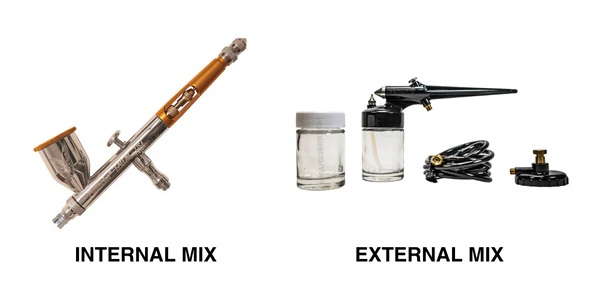
Another important way to classify airbrushes is by where the air and paint mix occurs. Although this detail may sometimes go unnoticed, it directly affects atomization quality, line precision, and the types of paint that can be used efficiently. There are two main types: internal mix and external mix.
Choosing the Right Airbrush for Your Needs
As you’ve probably realized by now, not all airbrushes are the same—and not all users need the same things. Choosing the right airbrush largely depends on the type of work you want to do, your level of experience, and your budget.
Below, we’ve put together some practical recommendations based on different user profiles to help you make an informed decision and avoid frustration when starting out.
If You’re a Beginner and Just Want to Practice
If you’re just getting started with airbrushing and want to learn without spending too much, the best choice is a basic airbrush kit that includes everything you need: an airbrush, a compressor, the hose that connects the two, and some useful accessories. These kits are affordable and easy to use, making them perfect for familiarizing yourself with the basics and practicing without worrying about technical complications.
Choosing the Right Airbrush for Your Needs (Continued)
If You’re a Modeler Painting Miniatures
- For scale modelers—whether vehicles, figures, or dioramas—the best combination is a gravity feed, double action airbrush. This setup allows precise paint control, works well at low pressures, and enables fine lines and smooth layers, which are essential for achieving great finishes on small models.
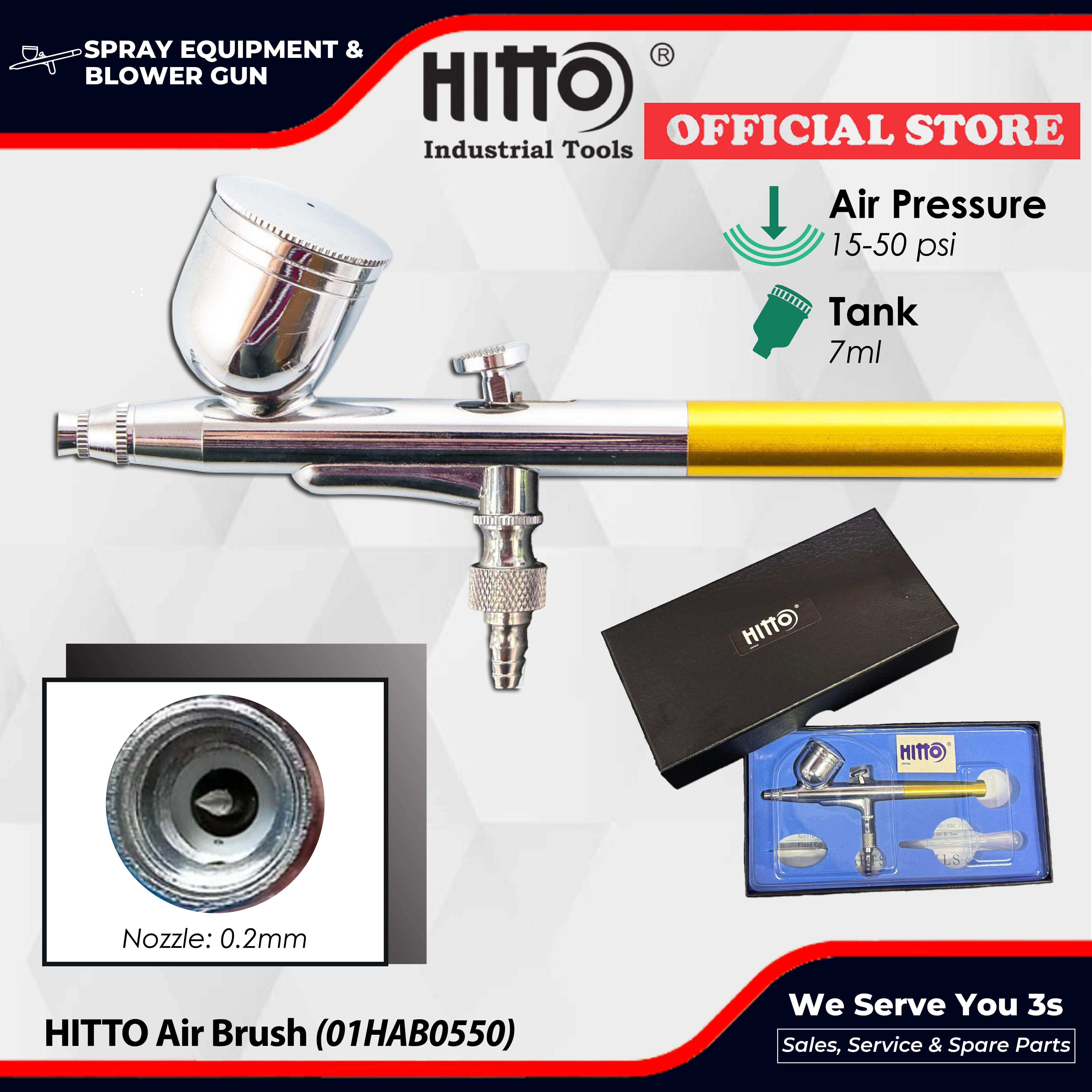
- Ideal models include the popular Hitto Air Brush, both offering the perfect balance of quality, control, and easy maintenance. These pair perfectly with a compact, quiet, and adjustable airbrush compressor.
If You Paint Helmets, Automotive Parts, or Medium to Large Surfaces
- If your focus is more on automotive painting, customizing helmets, fairings, or medium-to-large surfaces, the best option is a pistol grip airbrush with siphon feed. These are more ergonomic for long sessions, allow larger paint capacity, and make it easier to achieve uniform coverage.
If You Do Artwork on Paper, Murals, or Fine Graffiti Art
- For visual artists working on flat surfaces like paper, canvas, or walls, the ideal choice is a gravity feed airbrush with larger nozzles, as these allow smooth coverage of large areas without sacrificing detail. In these cases, it’s also crucial to have a powerful airbrush compressor, as long sessions require a consistent and stable airflow.
If You Want a Versatile, All-Purpose Airbrush
- If you’re not yet sure what your main focus will be but want to invest in a tool that can handle multiple tasks, the Hitto Air Brush Compressor is hands down one of the best options. This airbrush offers the perfect balance of precision, easy cleaning, and durability. It performs well in both detailed projects and broader applications, adapting smoothly to different types of airbrush paint and compressors.
- You can buy it on its own or as part of a complete airbrush kit, which makes getting started much easier for anyone who wants to have everything ready from day one.
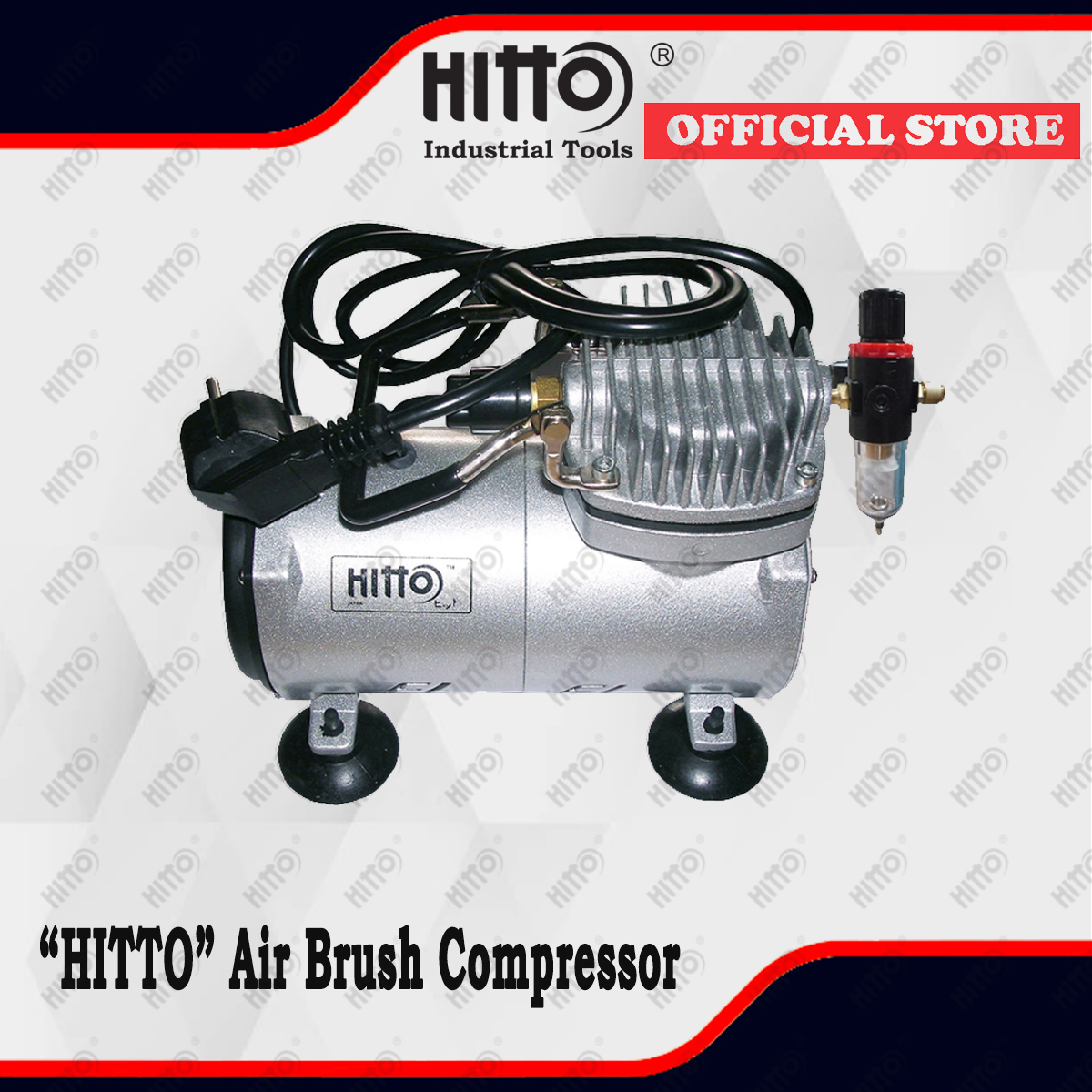
Recommended Airbrush Kits for Beginners
The wide variety of available components—airbrushes, compressors, hoses, connectors, stands, and paints—can feel overwhelming, especially if you don’t have prior experience. That’s why one of the best ways to get started is by choosing a complete airbrush kit that already includes all the essentials you need to begin practicing from day one.
A good beginner-friendly airbrush kit should include a quality airbrush, a reliable and quiet airbrush compressor, hoses and connectors, plus other useful accessories such as stands, droppers, or cleaners. Some kits even include basic paints, which add extra value for anyone still exploring techniques.
At SprayGunner, you’ll find carefully curated kits that cover different user profiles, budgets, and application styles. Below are four of the most recommended options right now, along with a comparison table (which you will need to add later) to help you visualize their key differences.
All of these kits are ready to use right out of the box and are fully compatible with different brands of airbrush paint. Depending on your focus (practice, fine detail, coverage, or versatility) one of them will be the perfect starting point for your journey with airbrushes.