
 0
0  Login
Login 
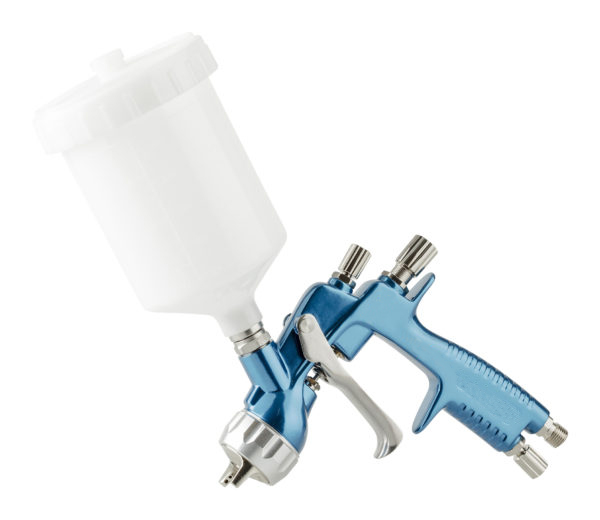
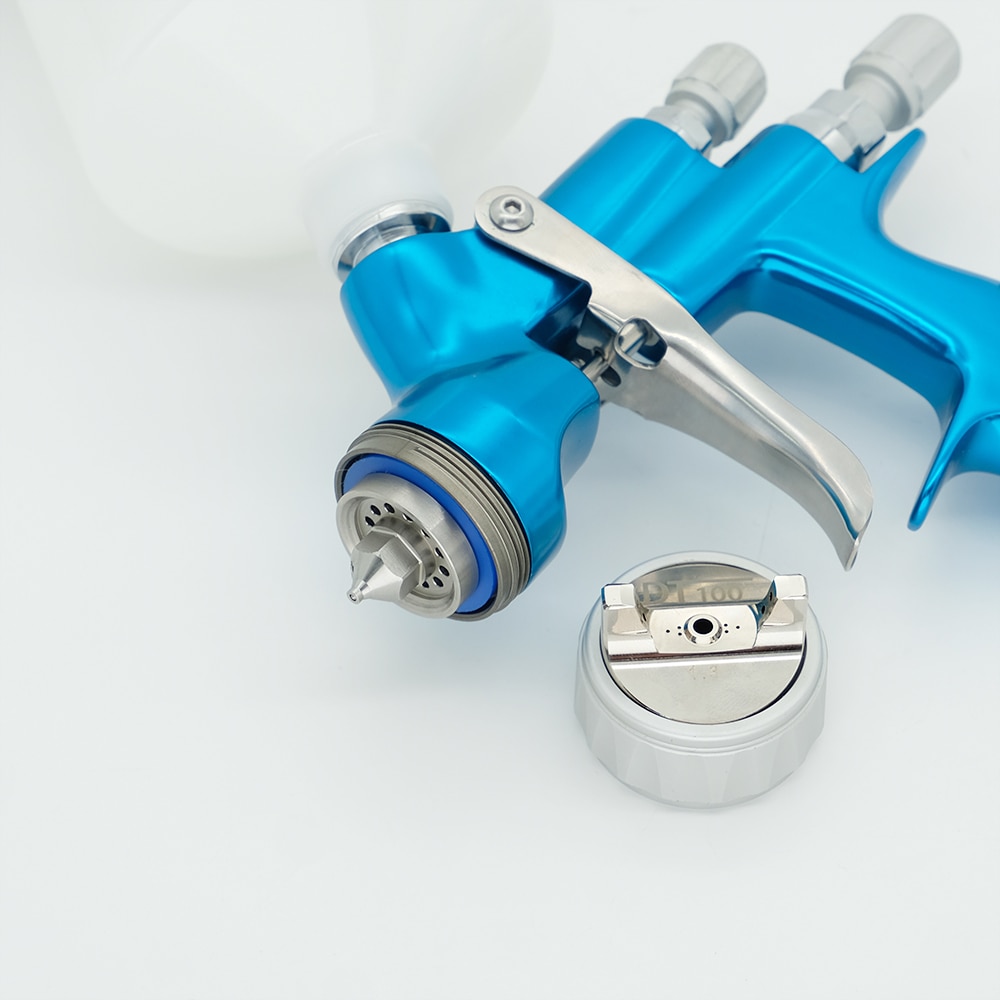
Benefits of Using HVLP Paint Spray Gun Must Know
Perfect for Waterborne Paints
HVLP spray guns are highly effective when used with waterborne paints, which are increasingly popular because of their lower toxicity and eco-friendly properties. In some industries, the use of waterborne paints is legally required — and HVLP guns are designed to handle them effortlessly.
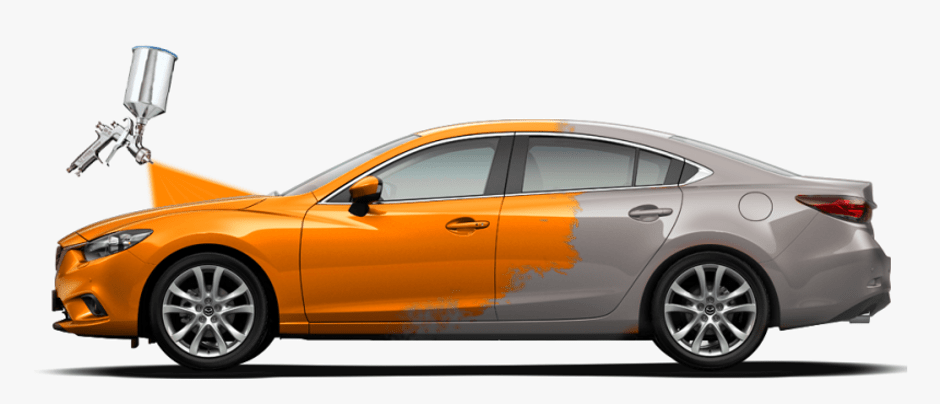
Today, a car represents more than just transportation — it reflects the personality and lifestyle of the person behind the wheel. That’s why it’s important not only to take care of your appearance but also to keep your car looking its best — spotless, polished, and pristine every time it hits the road.
So, how can you maintain that fresh, showroom shine your car had on the first day? The key lies in regular denting and painting services. This not only keeps your car looking glossy and well-maintained but also helps preserve its resale value. However, choosing the right paint for your car requires careful consideration — you’ll want something that offers long-lasting protection without straining your budget.
There are two main types of paint available on the market today: solvent-based and water-based paints.
Before diving into the technical differences between them, it’s important to first understand what a paint solvent actually is. A solvent refers to the liquid component that helps dissolve the paint base and affects the drying process of volatile organic compounds (VOCs). Paints that use hydrocarbon or oxygen-based solvents are generally classified as solvent-based coatings, while those that use water as the primary solvent are known as waterborne coatings.
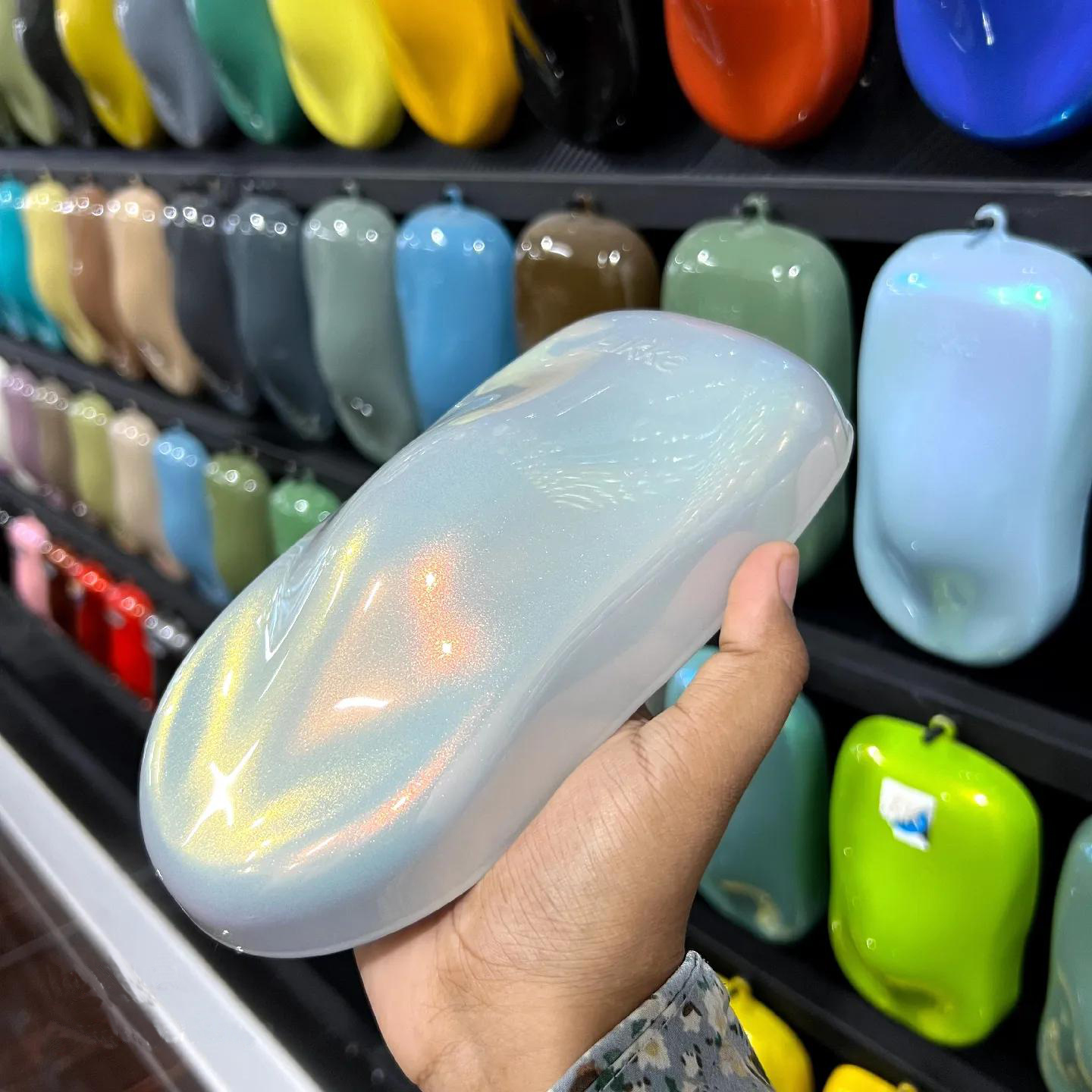
So, what’s the key difference between the two, and which one should you choose for your next car paint job? Here are a few factors that distinguish them:
Choice of Resin
In solvent-based paints, almost any type of resin can be dissolved, giving you a wider selection to choose from. Each resin offers its own unique benefits — for example, polyurethane provides excellent weather and chemical resistance, high gloss, and durability, while silicone-based resins are known for their superior heat resistance.Glossiness
Solvent-based paints offer greater control over the smoothness and richness of color compared to water-based paints. You can easily adjust the level of gloss by using additives such as matte agents, and some solvent-based paints can achieve a gloss level as high as 90%. In contrast, water-based paints generally do not reach the same level of gloss or provide as refined a finish.
Color of Coating
As mentioned earlier, solvent-based paints offer a wider range of pigment options compared to water-based paints. This allows solvent-based paints to produce deeper, richer, and more vibrant colors in the shade of your choice.
Block Resistance
Solvent-based paints offer superior block resistance compared to water-based paints. They are also more resistant to humidity and heat, maintaining their gloss and durability even under harsh weather conditions.
Durability
Solvent-based paints are generally more durable and have a longer lifespan than water-based paints, which tend to lose their gloss over time. They are also easier to clean and maintain, making them a preferred choice for long-lasting finishes.
Viscosity
As the name suggests, water-based paints are typically thinner in consistency due to the nature of their solvent. In contrast, solvent-based paints are thicker and provide better coverage on the vehicle’s surface. This thickness allows solvent-based paints to conceal surface imperfections more effectively.
There are various situations where solvent-based paint is superior to water-based paint, and vice versa. Therefore, which one is better depends entirely on your priorities. It's essential to do your own research rather than relying solely on the advice of the mechanic performing your car's denting and painting. Understand the pros and cons of both solvent-based and water-based paints before making a decision.